The Deployment Is Only Part of the Story
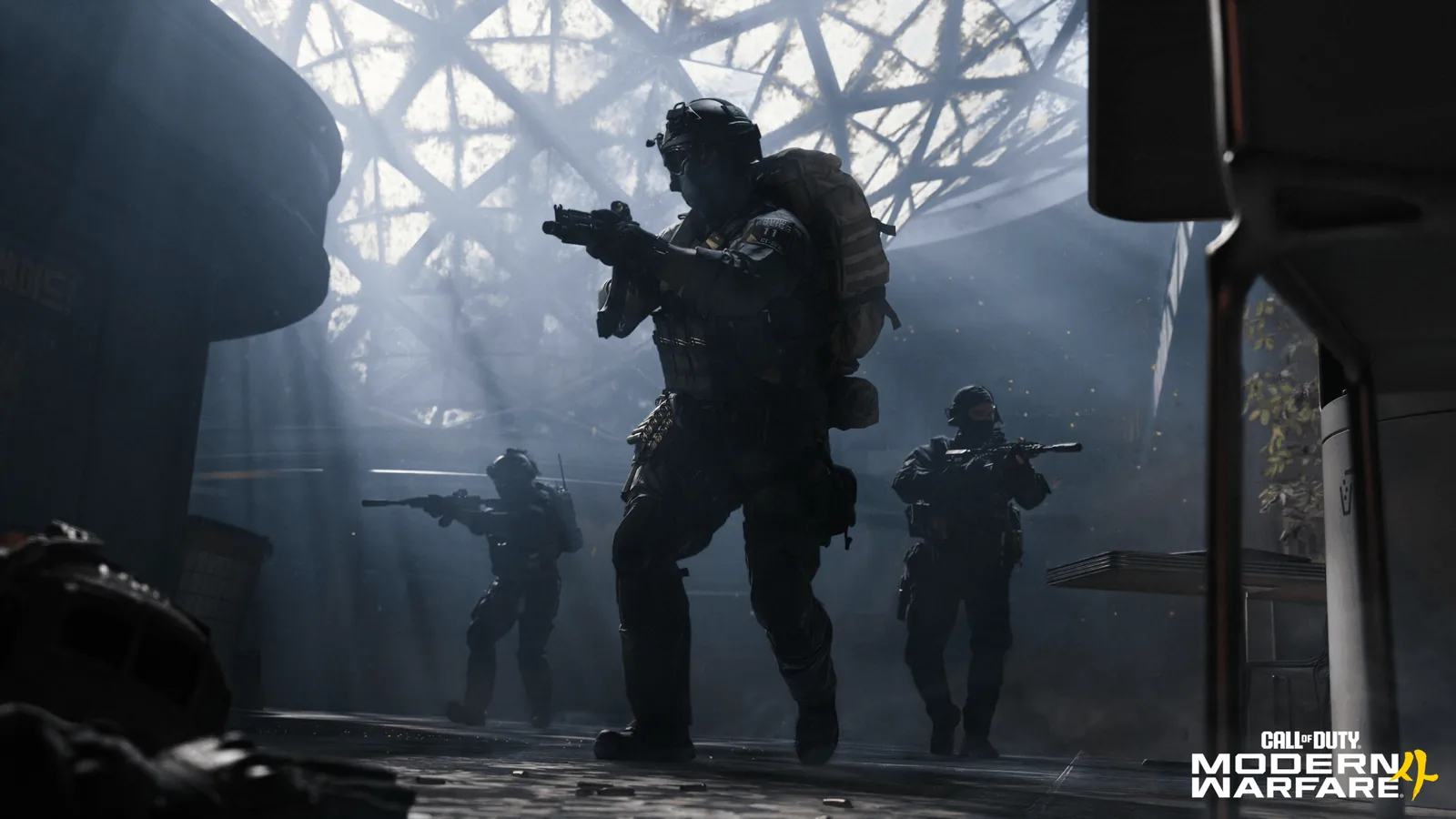
In Modern Warfare 4’s DMZ, heading into the field is intended to fit into a longer process of building up equipment and progressing. The announcements describe a persistent inventory and a Forward Operating Base that develops with the player. That means decisions made during one deployment can affect the options available in the next, rather than just that evening’s results screen.
This article is part of our complete Modern Warfare 4 guide, which collects all of our coverage of the game.
The action takes place in Hajin, a region affected by the campaign’s war. Players can enter alone or as a squad, complete objectives and face enemy forces and rival players. This is an introduction to the systems revealed up to October 7; it is not based on time spent playing the final version.
How Do You Choose What to Do?
The structure shown combines story missions, dynamic operations and side activities. In an Xbox Wire interview, the developers explained that making objectives clearer was one of the lessons from the previous version. The aim is to let players start with an understandable goal while still leaving room for unexpected events along the way.
For the player, there is an important distinction here between a goal and a route. You can know what you want to achieve and still change direction because of an enemy, a rare item or another squad. When a system like this works, planning gives exploration purpose without dictating every step. The test will be how many events genuinely create new decisions and how many repeat the same pattern.
The Forward Operating Base Gives Loot a Purpose
The FOB is where players manage inventory and prepare. The official guide lists stations including Stash/Loadout, a firing range, a trader and Gunsmith. More stations unlock through progression, and DMZ has its own leveling track up to level 70. Upgrades provide a reason to bring back items that may look less exciting than a rare weapon.
Crafting revolves around a 3D printer. Raw materials and recipes allow players to produce equipment and expand the options at their base. The developer interview also emphasized using money found in the game to build weapons and add attachments. A weapon found in the field and equipment prepared beforehand therefore become part of the same system of cost, risk and reward.
This system will have value if it is easy to understand why an item is worth keeping and what you are saving toward. If the path to the next upgrade is unclear, the inventory could become a chore list. That is one of the important tests for a mode designed for repeat play: whether choices add up to a personal plan or simply demand more collecting.
Not Every Failure Has to Erase Progress
The official interview confirmed that earned experience points are retained after death. There is also an emphasis on active Operators whose equipment and traits develop over several deployments. The combination is intended to support overall progression while maintaining a genuine risk to equipment and the outcome of the current trip.
This raises two practical questions for a review: how difficult it is to recover from a loss, and what the player learns from it. Too high a cost could drive newcomers away; a negligible cost could weaken the tension around extraction. The balance cannot be judged from a feature list alone.
Will It Work for Solo Players, Too?
Solo deployment has been confirmed, but technical support for it does not guarantee a balanced experience against squads. We will want to test how much information players receive before an encounter, how clear it is when to retreat, and how many missions can be completed without relying on random teammates.
On paper, DMZ offers an extensive framework for players who enjoy preparation, curiosity and risk management alongside shooting. A final recommendation depends on things a trailer does not show particularly well: preparation time between deployments, how useful the loot is, the pace at which options unlock, and the ability to return to the game after a less successful evening.