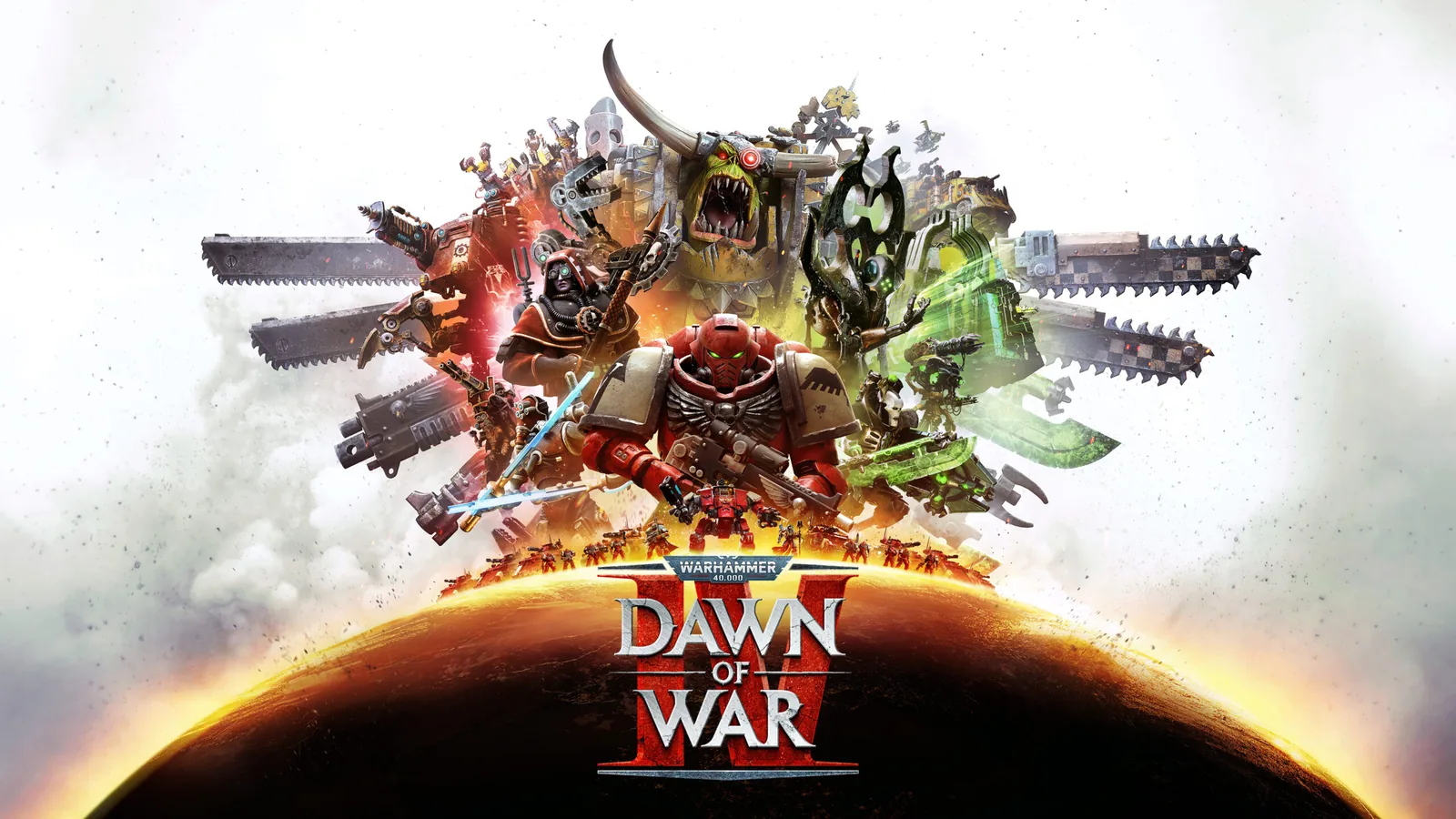
Warhammer 40,000: Dawn of War IV turns attention back to the whole battlefield: a base to expand, units to keep alive and resource points that cannot be left to an opponent. KING Art and Deep Silver describe a real-time strategy game returning to those principles within a war for the planet Kronus. The PC launch is scheduled for December 3, 2026, with four factions and campaigns that present the conflict from different perspectives.
Taking territory, then holding it
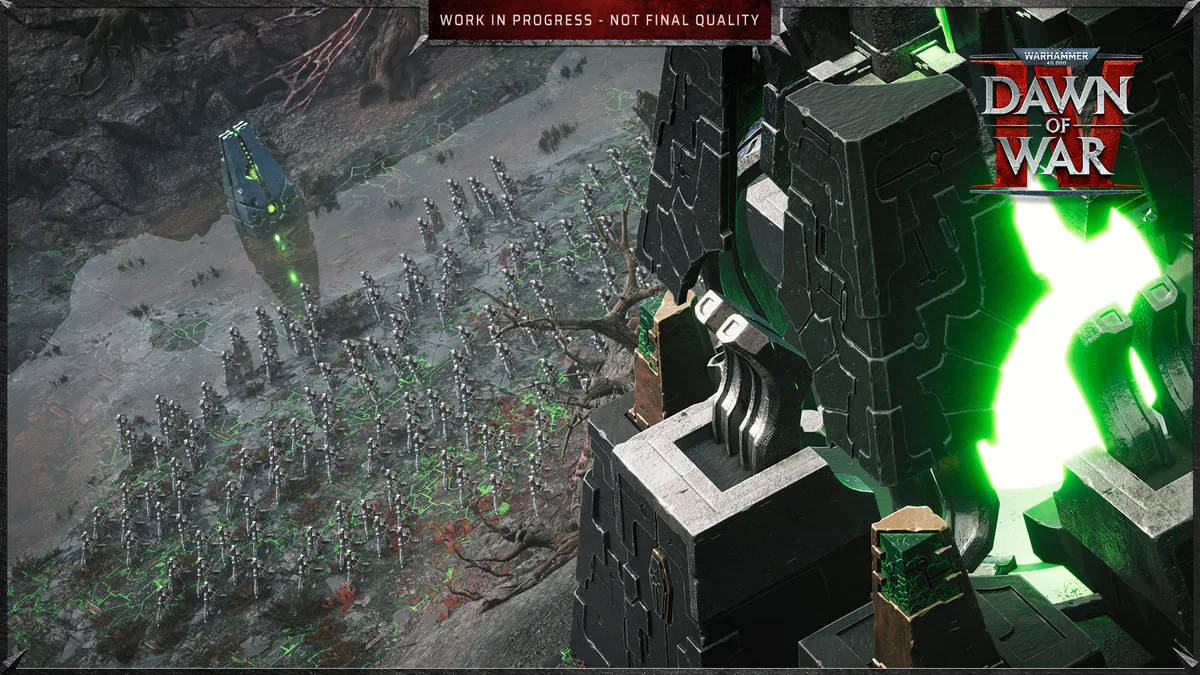
The official gameplay outline centers on building a base, expanding an army and controlling resource points. Units can receive weapon and ability upgrades, take cover and use buildings for protection. Survivors gain veterancy and grow stronger, giving a timely retreat potential value too.
For anyone returning to strategy after a long break, that is a recognizable cycle: every expansion creates an opportunity and more territory to defend. A force sent forward is absent elsewhere, while an upgrade now can compete with the need to produce another unit. These are the kinds of choices placed at the center of the game’s stated direction.
Alongside those systems, Combat Director expands the coordinated animations used in fighting. It is intended to make confrontations look more detailed and personal. For a strategy game, the important question is how that presentation works alongside the need to understand what is happening to several units at once.
Four factions and new faces in the war
The four main factions are Space Marines, Orks, Necrons and Adeptus Mechanicus. The last of those makes its Dawn of War debut, bringing the Imperium’s technological priesthood into the series. The developers emphasize distinctive playstyles for each faction alongside fidelity to the Warhammer setting.
Both Blood Ravens and Dark Angels appear within the Space Marines. That structure matters when reading lists of units and characters: the two Chapters belong to the same broader faction, and the stated number of main factions remains four.
For a newcomer, this offers a manageable way into a setting crowded with names. You can focus on one army’s approach and tools before broadening your knowledge. Veterans get familiar characters and a returning location alongside a faction that introduces new possibilities to learn.
Campaigns that cross paths
The official description promises more than seventy campaign missions. Each faction has its own storyline, and those threads connect into one wider narrative on Kronus. John French, known for his work with Black Library, is involved in developing the story.
Using several campaigns can give the war a richer context: the same planet represents a home, a resource or another objective for the forces fighting over it. For players, it also provides a chance to learn different systems and tools through missions rather than encountering every faction for the first time in competitive play.
Last Stand, Skirmish battles and multiplayer have also been announced, with solo or cooperative play available in some modes. The promised scope is broad, although mission variety and balance between the armies will need to be examined after launch.
When the battle begins
The current release date is December 3. Commander Edition buyers are scheduled to receive an early unlock on November 30, three days before the standard launch. It is worth distinguishing those dates when comparing editions or watching the first videos from the game.
Dawn of War IV offers an interesting entry point for anyone who wants to command a war in the Warhammer universe and learn about it through several armies. Territory, resources and keeping units alive give it a clear focus. This article is based on developer and publisher information, before hands-on testing of the complete release.