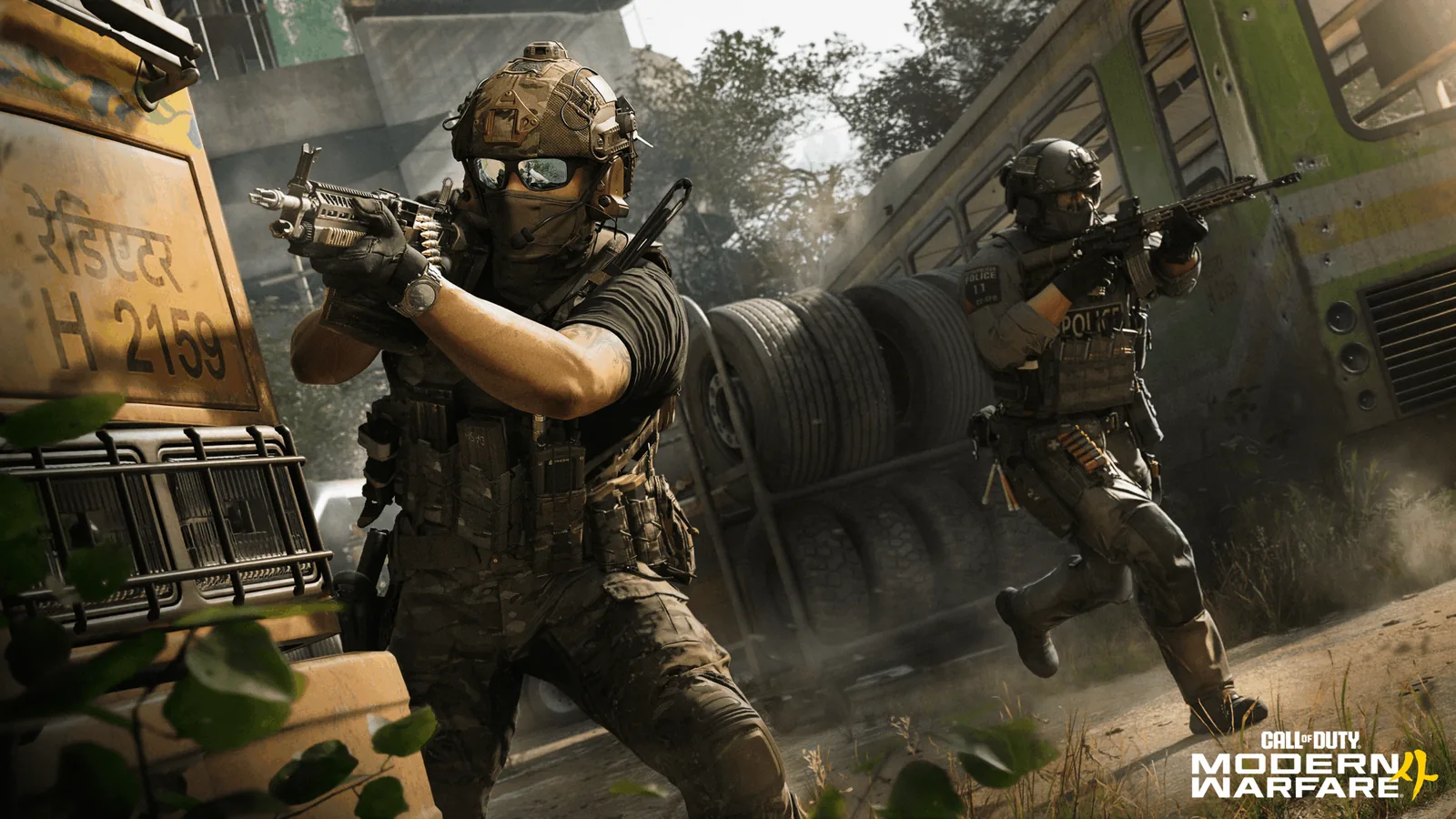
The new five-on-five mode combines decisive fights with buying equipment. The first details give us a reason to be interested, but not yet a basis for deciding which purchases will be worthwhile.
This article is part of our complete Modern Warfare 4 guide, which collects all of our coverage of the game.
The Rules Revealed So Far
Collateral is a 5v5 mode based on Search and Destroy, with one life per round. According to Activision, players start with a pistol, earn money in the match and buy upgrades between rounds. Money carries over between rounds, while equipment is lost on death. There is no automatic health regeneration or custom loadouts.
This combination raises an interesting question: how much of success will come from getting more out of every round, even when you do not win it? That is our interpretation of the design direction, rather than information about a loss-compensation mechanic. The details examined so far do not yet allow us to calculate when to save and when to spend everything available.
The Conversation Before the Start
For a regular squad, the interesting part could begin before meeting the opposition. Do you try to buy equipment that serves a shared plan, or does everyone choose what feels comfortable? It is worth agreeing in advance on what you want to achieve in the round, then checking which purchases genuinely support it. This is a suggested approach to the mode, not an assumption that it will allow money transfers or weapon drops for teammates.
The way a team examines mistakes could also change. After a loss, players can ask whether the problem was execution, the decision about where to go or the earlier purchase. Separating those issues could be more useful than changing the entire setup after one bad round. Without complete prices and income figures, any list of “must-buy” items would be premature.
What Needs Testing in the Full Game
The main test will be how well a team can recover from a weak start. We will also want to check whether the buy screen is clear to newcomers, and how much planning time it provides without slowing the game down. Questions like these will determine whether managing money adds interesting decisions over a full evening.
For now, Collateral warrants a focused preview before any rating or equipment recommendation. It offers a reason to examine what players do between fights as well. The quality of its balance, the pace of rounds and the ease of playing with people outside a regular squad will need to be judged through hands-on play.