Three Ways Into the War
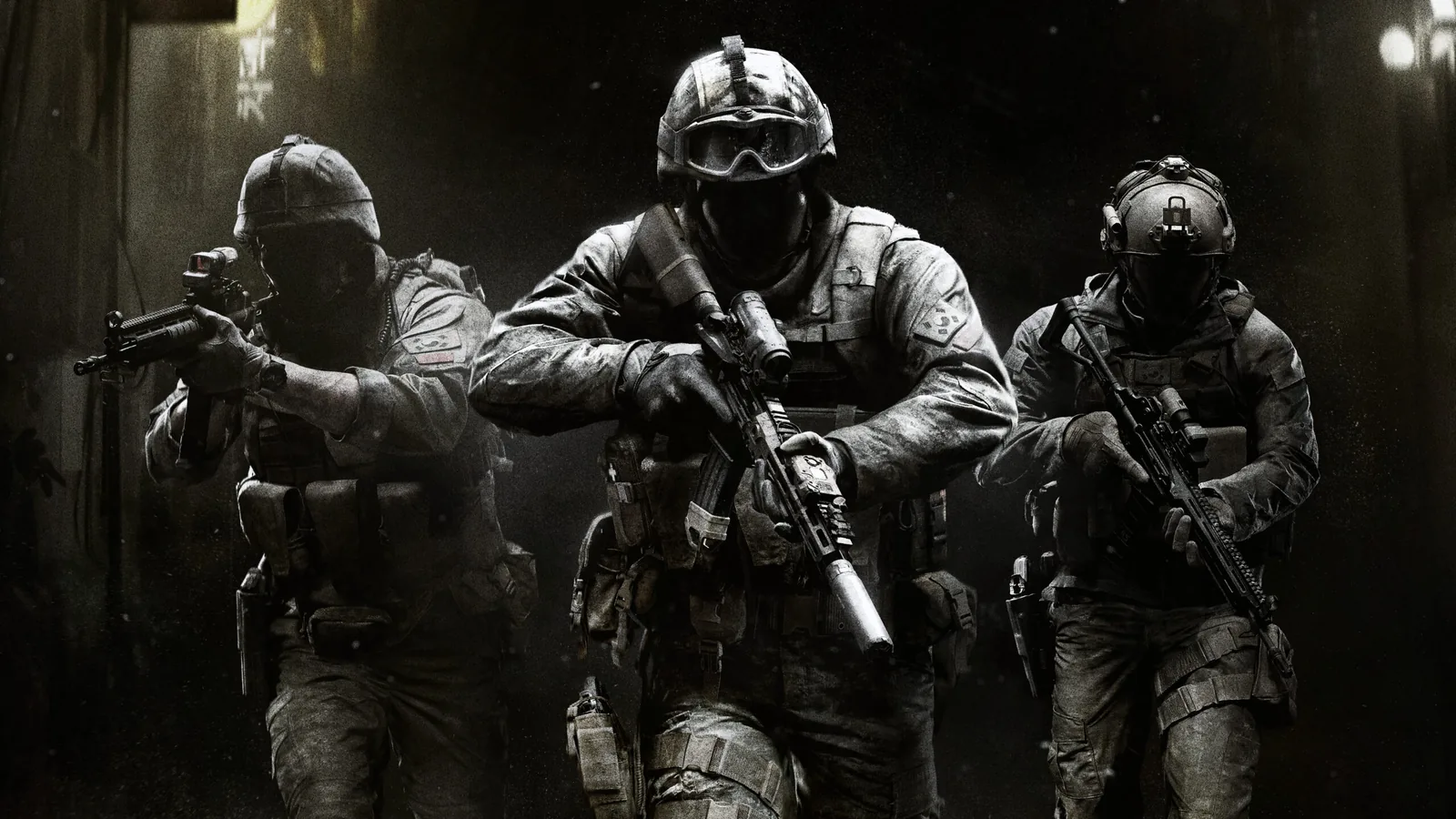
Call of Duty: Modern Warfare 4 has three clear pillars: a story campaign, competitive online play and DMZ. Infinity Ward is leading development, with release scheduled for October 23, 2026, on PlayStation 5, Xbox Series X|S, PC and Nintendo Switch 2. The PC version will be sold through Steam, Battle.net and Xbox on PC.
This article is part of our complete Modern Warfare 4 guide, which collects all of our coverage of the game.
The official information points to an effort to give each mode its own reason to keep coming back. The campaign brings together a new soldier and a familiar face; multiplayer expands weapon customization and changes the layout of some arenas; and DMZ carries progression over between deployments. This is a preview based on the details revealed so far, ahead of a review of the full game.
The Campaign: A Young Soldier and a Captain on the Run
The starting point is a North Korean invasion that destabilizes the front in South Korea. Players will meet Private Park, a young soldier facing combat for the first time with his unit. Meanwhile, Captain Price is operating outside the military structure he once knew, on a mission of revenge that becomes entangled with the wider conflict.
The revealed locations include trenches in Korea, close-quarters fighting in New York, chases in Paris and night raids in Mumbai. On paper, that provides a foundation for moving between large-scale warfare and focused operations. The test will be how the characters, pacing and missions fit together, rather than simply the number of countries visited along the way.
Campaign early access is scheduled for October 16 for players who preorder a digital edition. At this point, there is no basis for stating the campaign’s length, rating its writing or recommending the package on the strength of the campaign alone.
Multiplayer: More Control, More Options
Twelve new maps for 6v6 combat are planned for launch, alongside large-scale warfare involving vehicles and infantry. Ballistic Authority is the name given to changes to aiming, weapon behavior and visual clarity. According to Infinity Ward, shots follow the direction of the barrel rather than random spread known as Bloom. The promise is combat that is easier to read and understand.
Preparing for battle is also getting attention. Gunny suggests weapon builds based on the attachments players have already unlocked and their preferred play style. Apex Attachments unlock at the end of a weapon’s progression and add unique features. There will also be two Prestige paths: regular Prestige, which keeps Create-a-Class unlocks, and Classic, which brings back the familiar reset of those unlocks.
These changes could serve different kinds of players, but their balance will be determined in play. It remains to be seen how many weapon builds will stay useful over time, and whether the changes will genuinely make it easier for newcomers to get involved.
Kill Block and Collateral: Two Additions Worth Knowing
Kill Block consists of three modular sections that combine into a combat arena. According to the developers, more than 500 combinations will be possible at launch. In Gunfight, the layout changes after every two rounds, so even players who recognize a particular section will need to reassess its surrounding routes and cover. The announced modes include Gunfight in 3v3 and 10v10 formats.
The idea is intriguing because learning the map still matters, but does not end with memorizing a fixed route. The question is whether the combinations will consistently create tactical variety, and how quickly players will be able to find their bearings during a fight.
Collateral targets a different audience: round-based 5v5 battles built around bomb sites and an in-match economy. Players start with a pistol, earn money through eliminations and completed objectives, and buy equipment between rounds. Death means losing equipment, while money is retained. Here, choosing what to buy is intended to be part of the competition itself.
DMZ: Deciding How Much to Risk
DMZ brings extraction gameplay back to the Hajin region, which is connected to the events of the campaign. Players can deploy alone or with a squad, collect loot, complete missions and face both enemies and other players. Story missions, dynamic operations and changing conditions are intended to give each deployment a slightly different direction.
Between deployments, players return to the Forward Operating Base, or FOB, to manage equipment and progression. The official guide describes a stash, firing range, trader and a crafting system built around a 3D printer. The mode has a dedicated progression track up to level 70, and the base expands as players advance.
The appeal comes from choosing between pursuing one more objective and extracting in time. To find out whether that loop holds up over weeks of play, we need to examine the value of loot, progression after failure and the balance between AI combat and encounters with other players. A list of systems alone cannot answer those questions.
Before Buying: Hardware, Platform and Expectations
PC players need to allow for 115 GB of free SSD space, alongside requirements for TPM 2.0 and Secure Boot. The recommended specification includes 16 GB of RAM and, according to the developers, targets 90 frames per second in multiplayer at High settings. That is an official performance target that still needs independent testing.
PS4 and Xbox One owners will need another platform, as the game is not coming to those consoles. Game Pass subscribers should also take note: according to the official preorder guide, MW4 will not be included in the service at launch. The Vault Edition adds content packs and bonuses, but judging its value means comparing the price and contents in the relevant store.
At this stage, Modern Warfare 4 presents several promising areas to examine: changing arenas, DMZ with extensive progression, and a return to Price alongside a new perspective. We will reserve judgment on whether they come together into a successful game until we have played the full release, including an assessment of online conditions and post-launch performance.
More on Modern Warfare 4
- where the Modern Warfare 4 campaign is heading
- Kill Block and its modular arena
- Collateral and its round economy
- Ground War vs 6v6
- movement and gunplay in Modern Warfare 4
- Gunny and Apex Attachments
- the two Prestige paths
- DMZ in Hajin
- DMZ for beginners: five decisions before your first deployment
- Modern Warfare 4 PC requirements
- Standard vs Vault
- Modern Warfare 4 on Switch 2