Anthropic Launches Claude Sonnet 5.5: Faster and Cheaper for Everyday Work
Anthropic launches Claude Sonnet 5.5, the second Claude 5.5 model: more than 30% faster, up to 30% cheaper per task, built for everyday work alongside Opus 5.5.
Artificial intelligence, explained in plain language.
Anthropic launches Claude Sonnet 5.5, the second Claude 5.5 model: more than 30% faster, up to 30% cheaper per task, built for everyday work alongside Opus 5.5.
Build a reusable Claude workspace with current sources, clear instructions and a practical review process. Follow a recorded Maitz writing task with original screenshots and a reusable practice pack.
Is Higgsfield worth it? For short video shots you can review, reject and edit, yes: in our 201-credit test, forward and orbit camera moves, an edited character sequence and a 15-second product video worked. Precise lateral camera moves and exact product finish did not. Paid plans started at $19 a month on October 8, 2026. […]
Anthropic introduces mods: small TypeScript add-ons for Claude Code that change behavior and UI. They run with full machine access, ship in plugins, and include sec-default for teams.
xAI is launching Team Bots: shared Grok Bots with team files, plugins, and skills, while each conversation stays private. Internal examples plus Harper’s $120k quote.
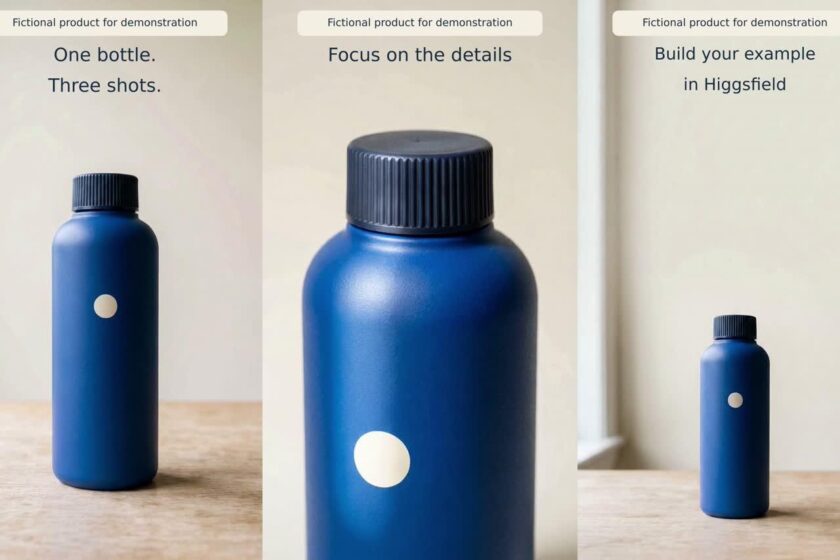
Turn product images into a silent 15-second vertical video, with three shots, a corrected opener, editable titles and costs that include rejected attempts.
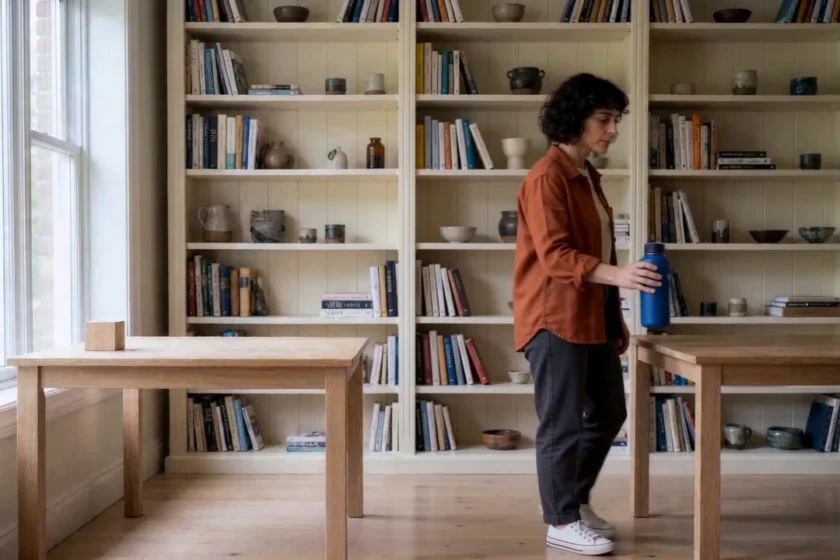
Build a pickup, walk and placement sequence by passing frames between clips. Includes rejected pose references, exact prompts, edit decisions and full costs.
A tested comparison of dolly, lateral truck and arc moves from one image, including the failed retry, full prompts, actual credit costs and practice downloads.
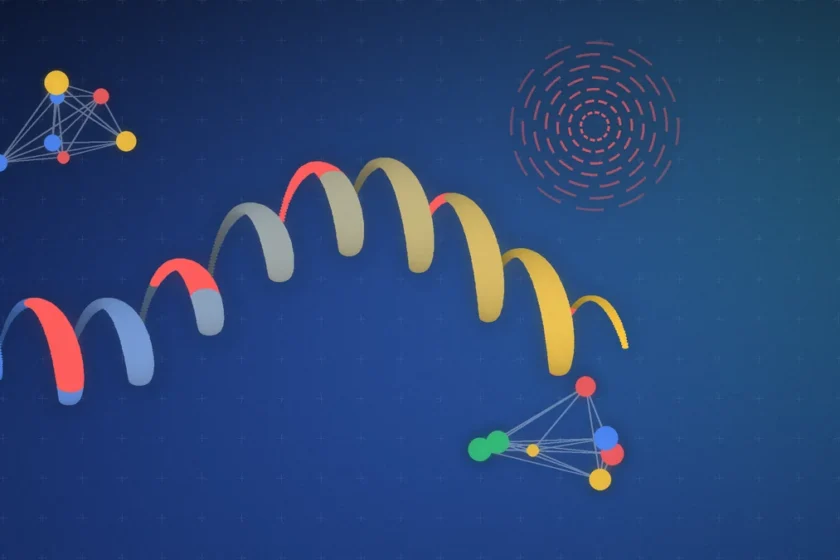
Google Research describes a new Federated Learning stack built on server-side TEEs, a public transparency log, and production use in Gboard for English and Japanese next-word prediction.
Per the CDC’s end-of-season FluSight analysis, a flu forecasting model built with Google AI best matched observed U.S. hospital admissions for 2025-26 among 39 eligible models.